
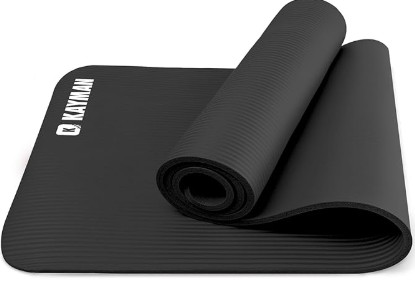




A grounded, UK-focused explanation of what materials go into the Kayman Yoga Mat, including high-density BNR foam science, how it works, and where its strengths and limitations lie.
When you look at the Kayman Yoga Mat on paper, it reads like many other budget exercise mats foam, non-slip surface, water-resistant. But to understand how it behaves underfoot, why it feels soft or sometimes stretchy, and why grip can vary, it helps to dig into what that foam actually is.
BNR Foam - What it is and Isn’t
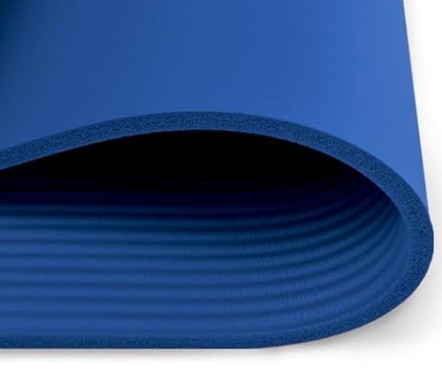
The primary material in the Kayman Yoga Mat is described as high-density BNR foam. In manufacturing terms, BNR typically refers to nitrile butadiene rubber, a synthetic rubber copolymer made mainly of acrylonitrile and butadiene molecules. It combines the elasticity of rubber with greater stability from synthetic polymers.

Foaming Process
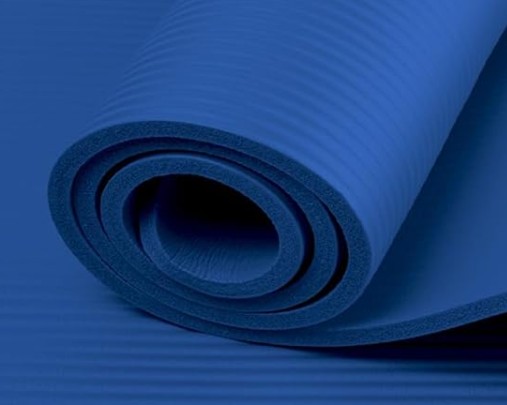
In practice, the foam version used in mats is produced by mixing these rubber-like polymers with a foaming process that traps air bubbles throughout a closed-cell structure. That structure is key because it helps the mat resist moisture sweat and light spills tend to stay on the surface, making cleaning easier and offers a plush, cushioned feel.
Closed Cells
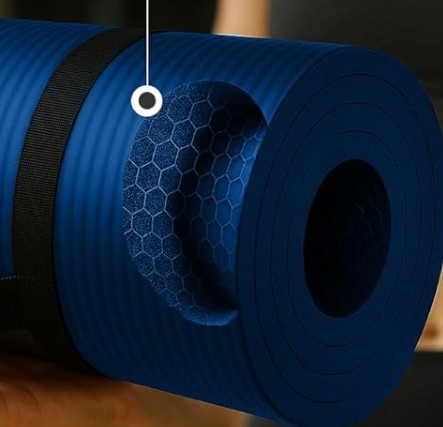
Closed-cell foam like this differs from open-cell foams found in some TPE mats, it stops water entering the structure, reduces odour retention, and tends to be lighter, but it can sometimes feel too soft for dynamic yoga practices.

Foam, Cushioning, and Support
The “high-density” label refers to how tightly packed the foam’s polymer matrix is around those air bubbles. Higher density generally means better shock absorption and less “bottoming out” under pressure, which is why many users describe the Kayman mat as comfortable on hard floors.
From a scientific standpoint, the cushioning comes from two main things…
1, Polymer elasticity – The nitrile butadiene rubber components can deform under pressure and spring back, absorbing some of the force.
2, Air entrapment – Trapped air in the closed cells spreads impact load across a larger area, reducing pressure on joints.
That said, this combination also explains why some reviewers find the mat too springy or stretchy underfoot: the very qualities that make it soft also reduce ground feedback and stability compared with firmer mats made from natural rubber or firm PVC/TPE blends.

Foam Versus Other Common Yoga Mat Materials
It’s helpful to contrast BNR foam with other common mat materials such as…
- PVC and TPE foams are polymer-based plastics that can offer a firmer feel and better grip, though sometimes at the cost of increased weight or environmental concerns. ()
- Natural rubber mats provide excellent traction and are often preferred for more dynamic yoga styles, though they tend to be heavier and more expensive. ()
- EVA (ethylene-vinyl acetate) foam, another popular option, is extremely lightweight and resilient, but usually less cushioned than thick BNR foam. ()
Unlike open-cell structures which can absorb water and sweat more readily, the closed-cell nature of BNR foam helps keep the mat surface cleaner and easier to wipe down. That’s likely why the Kayman mat is described as “sweat resistant” and “easy to clean” in product specifications.

What BNR Foam Means in Real Use
So, why does this matter? The comfort and cushioning most users talk about stem from the foam’s closed-cell structure and elasticity.
The slightly stretchy feel and slip-prone behaviour during faster or balance-based movement trace back to the same softness that makes it pleasant for gentle workouts. Easy cleaning and resistance to moisture are also benefits of the foam’s chemistry and structure.
In simple terms, the mat is not made of magical polymers, it’s made of a reasonably standard foamed synthetic rubber that prioritises comfort and cushioning over the rigid stability of other materials.

Conclusion
Understanding what the Kayman Yoga Mat is made of helps explain its real-world behaviour. The high-density BNR foam gives plenty of cushioning and a soft feel underfoot, which I believe makes it a sensible choice for stretching, Pilates, or floor-based routines. The closed-cell structure also helps resist sweat and makes cleaning relatively fuss-free.
However, the same material characteristics that give this mat its plush feel also limit performance in other areas, you may notice less stability during dynamic yoga flows, and grip can be a bit hit-and-miss when the surface gets damp. That’s not unexpected for foam mats in this price bracket, but it’s worth factoring into your decision.

Final Word
If you value comfort and cost above studio-grade traction and firmness, the Kayman’s material composition aligns with those priorities. If your practice demands robust grip and firm feedback from the ground up, you might find yourself wishing for something a bit denser or more traditional.
Either way, knowing what it’s made of helps set realistic expectations, and I think that’s half the battle when choosing the right mat for your needs.







Recent Comments